

Residential Battery Backup Systems
Energy independence for your home means having control over your power supply. This is important when the electrical grid goes down or to help you avoid those peak-hour electricity rates. While solar panels or other renewable sources get much of the spotlight, a home battery backup system is the real hero that stores energy and delivers it on demand.
It acts as your personal energy reservoir, allowing you to keep essential appliances running using power you’ve already generated. In this article, we’ll share practical tips on how to optimize your home battery backup system to increase longevity and usefulness.
Battery Backup: Your Key to Energy Independence

A home battery backup system is a game-changer for anyone seeking greater energy independence here in Coastal California. It stores electricity when you have extra (for instance, when your solar panels are producing more than you need or during off-peak hours) and then supplies that energy when you need it most.
With a system as crucial as this every minute you can keep the essentials going matters. That’s why optimizing your home battery backup system is so important.
Because there are multiple ways to power the battery: Solar, battery generator, gasoline generator and from the grid itself at low-demand hours there are many ways you can optimize your system.
Most of the time, it comes down to timing. If it’s solar panel powered then the system will gather most of it’s new electricity when the sun is strongest in the sky. If it’s grid-powered then it might be the middle of the night when demand is lowest and therefore cheapest.
Maximizing Battery Performance and Lifespan
Regular maintenance keeps your battery running reliably. Give it a quick check now and then to ensure all connections are tight and free of corrosion or dust. Most systems don’t need much hands-on attention beyond that. Just keep the area around the battery clean and avoid extreme heat or cold.
Batteries also last longer when they aren’t pushed to extremes, so try not to let the charge drop to 0% or sit at 100% for too long. (Don’t worry, modern battery systems often prevent this automatically, but it’s good to be mindful.)
To use your battery efficiently, consider when and how you draw power from it. If your utility company charges different rates at different times of day, program your battery (or plan your usage) to supply power during those expensive peak hours and recharge when electricity is cheaper or when the sun is shining bright on your solar panels. This way, you maximize savings by tapping into stored energy when it has the most value.
Keep an eye on your battery’s performance through its app or control panel. By watching when it charges and discharges, you can find chances to adjust your habits. For example, if you often have spare solar energy in the afternoon, use it then to run energy-hungry appliances. The more you optimize your usage, the more value you get. You can also rely on your battery with confidence when you need it most.
Finally, integrate your battery with renewable energy sources for the biggest benefits. If you have solar panels, your battery is the bridge that carries surplus sunshine from daytime into the night. Be sure any excess solar power automatically goes into charging the battery so that no clean energy goes to waste. Then after sunset or during an outage, you can draw on that stored solar power to keep your home running.
By pairing your battery with solar, you step closer to true energy independence. Your home generates and stores its own power, greatly reducing your reliance on the grid.
Home Battery Backup vs. Traditional Electric Generators
Modern battery backups operate silently and emission-free, unlike gas-powered generators which roar to life with noise and exhaust fumes. During an outage, a battery system kicks in instantly; often the transition is so smooth you might not even notice the power flicker. There’s no engine noise reverberating in the dark and no need to worry about toxic carbon monoxide fumes. It’s a stark contrast to a fuel generator thumping away during a blackout.
Another big advantage of battery backup is its low-maintenance, always-on readiness. You don’t have to stockpile fuel or schedule regular engine tune-ups for a battery system. It doesn’t just sit idle waiting for emergencies; it works year-round by storing energy when it’s plentiful and supplying it when you need it most.
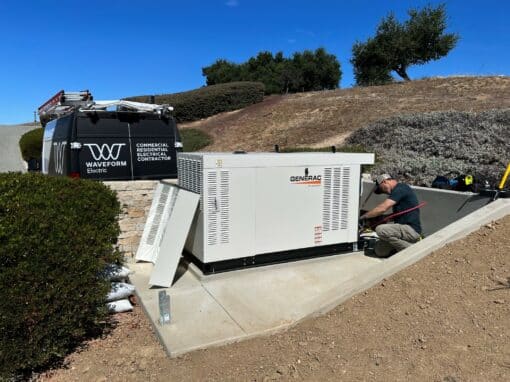
A generator, by comparison, is usually idle until the lights go out, and then you’re reliant on having gasoline, propane, or diesel on hand to keep it running. If the outage lasts longer than your fuel supply, that’s the end of your backup.
With a battery, especially one linked to solar panels, each new day can recharge your supply. In short, a home battery offers a cleaner, quieter, and often more reliable backup power solution for today’s homeowner.
Embracing an Energy Independent Future
Optimizing your home battery is ultimately about embracing control over your energy future. By investing in a battery backup system and using it wisely, you’re staking a claim to self-reliance. Each time your battery powers your evening routine with the day’s solar energy, or keeps your refrigerator running through a blackout, you’ve taken another step toward true independence. It’s rewarding both for your wallet and your peace of mind as a homeowner committed to sustainability.
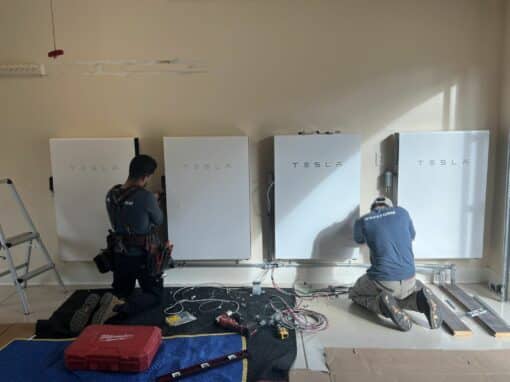
If this vision of a self-powered home excites you, Waveform Electric can help make it a reality. We specialize in environmentally friendly energy solutions for homeowners. From installing state-of-the-art home battery backup systems to integrating solar panels and even setting up electric generators when needed, we cover all aspects of home energy.
Ready to take control of your power? Reach out to Waveform Electric and let us help you on your journey to an independent, greener future.